
GCAB Co-Chair
An Open Letter to the HIV/AIDS Community, Allies and Future Generations
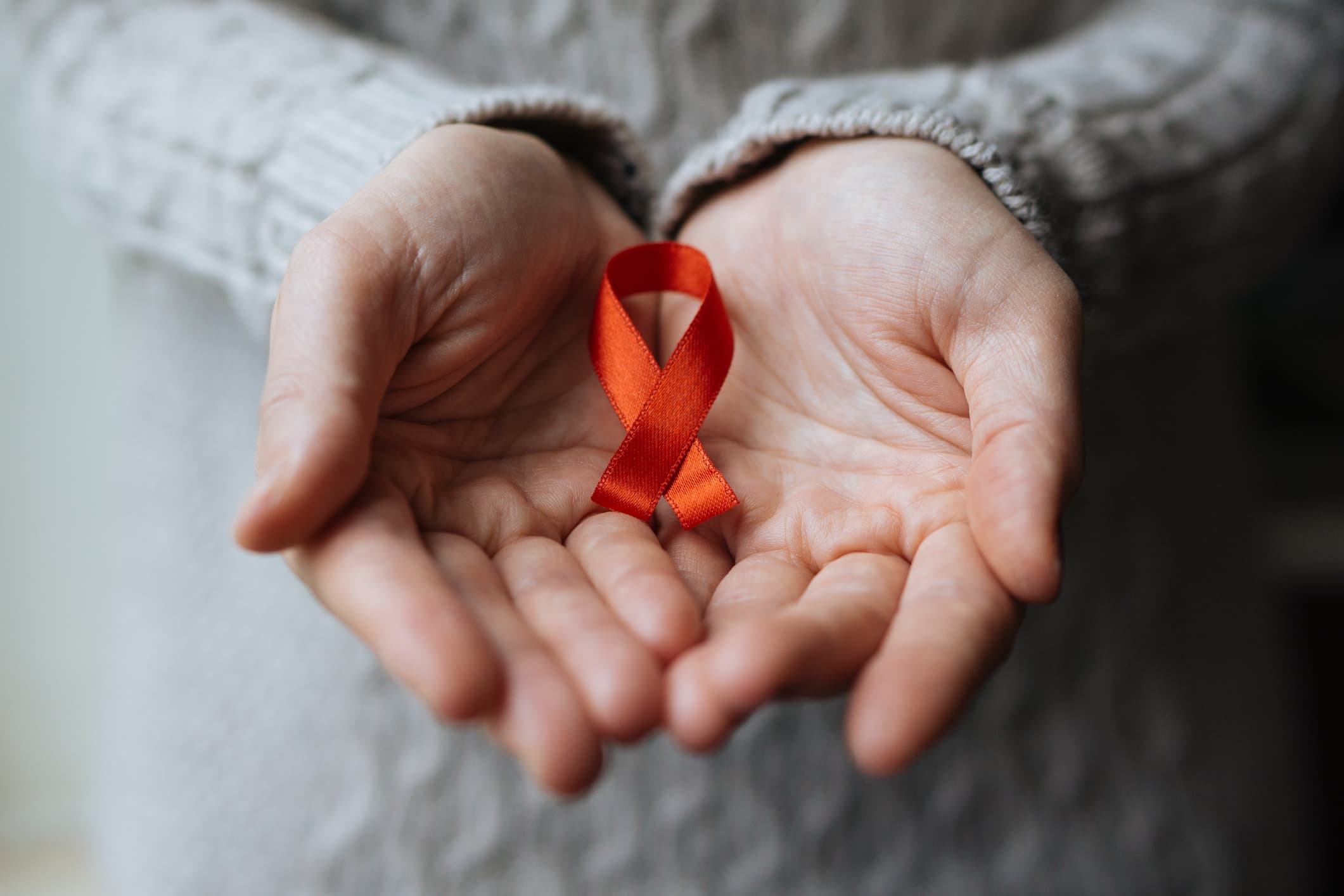
World AIDS Day 2025 Theme: Rethink, Rebuild, and Rise
By: Lorenzo Williams – Co-Chair ACTG Global Community Advisory Board (GCAB)
To everyone living with HIV, to those who carry the burden of stigma, to the tireless researchers, to the dedicated healthcare workers, to activists, policymakers, and to every partner who stands on the frontlines of this shared journey: Today, we pause to reflect, renew our commitment, and reimagine what is possible. The world has made remarkable progress in HIV prevention, diagnosis, treatment, and care. However, as we observe World AIDS Day under the International AIDS Society’s theme “Rethink, Rebuild, and Rise,” we recognize that progress is uneven and that there is still work ahead. This is our chance to let go of old assumptions, rebuild systems that include everyone, and rise together with courage and compassion.
Rethink
– Rethink stigma and discrimination. Stigma silences people, delays testing, and limits access to care. We must replace judgment with empathy, misinformation with accurate facts, and fear with informed consent and autonomy. We need to challenge myths about who is at risk and how transmission occurs and recognize that stigma is a barrier to both prevention and treatment.
– Rethink access and equity. The burdens of HIV are not shared equally. People in marginalized communities, including LGBTQ+ individuals, sex workers, people who use drugs, women and girls, adolescents, migrant communities, and those in low-resource settings, face barriers to testing, prevention, and treatment. Universal health coverage and patient-centered care are essential, not optional; they are key to making real progress. We need to address social determinants—housing, transportation, education, and safe work environments—that influence health outcomes.
– Rethink prevention in a changing world. As modes of transmission shift and new technologies emerge, we need adaptable strategies: PrEP and PEP must be accessible, reproductive health services should be integrated with HIV care, and youth-focused education must meet people where they are—online, in schools, and in communities. We must invest in next-generation prevention innovations, including long-acting formulations, point-of-care testing, and community-based delivery models.
– Rethink data, privacy, and consent. Robust, de-identified data can guide effective interventions, but only if people’s privacy and rights are protected. Transparent governance builds trust and encourages participation. We should promote community-engaged data practices, with clear consent procedures, opt-out options, and benefit-sharing, ensuring that data serve the communities from which they originate.
Rebuild
– Rebuild health systems to be resilient and inclusive. Invest in clinics that are welcoming, culturally competent, and physically accessible. Ensure supply chains for medicines, diagnostics, and commodities are secure, with contingencies for shortages. Strengthen primary care so HIV services are integrated into routine health care, reducing stigma and fragmentation.
– Rebuild trust through community leadership. People living with HIV, communities affected by HIV, and civil society must be equal partners in designing programs, policies, and research. Their voices illuminate barriers that numbers alone cannot reveal. Build long-term, accountable partnerships that share decision-making, resources, and recognition.
– Rebuild the social determinants of health. Housing stability, food security, education, employment, and gender equality are essential for long-term viral suppression and overall well-being. Cross-sector collaboration is crucial. We must advocate for livable incomes, anti-poverty initiatives, trauma-informed care, and safety nets that support sustained health.
– Rebuild research with diverse participation. Involve populations most impacted by HIV at every stage, from prioritizing to designing trials and analyzing results. Open science, rapid sharing, and patient-reported outcomes should steer innovation. Ensure equitable access to research benefits, including affordable diagnostics, therapies, and vaccines when they become available.
– Rebuild health literacy and empower individuals. Provide them with the knowledge, skills, and platforms needed to advocate for their health. Culturally relevant education, multilingual resources, and accessible formats should be standard—not optional. People must be able to navigate care pathways confidently.
Rise
– Rise with science and solidarity. The science of HIV treatment and prevention has transformed lives; continued investment is needed to maintain progress and reach those still waiting for access. Global solidarity involves sharing knowledge, resources, and responsibility across borders. We must also invest in workforce development, including peer navigators, community health workers, and researchers from diverse backgrounds.
– Rise in dignity and rights. Every person living with HIV deserves respect, autonomy, and a voice in decisions about their own care. End discriminatory laws and policies that perpetuate fear and exclusion. Protect privacy, consent, and the right to decline or stop treatment without coercion. Increase prevention and care integration. Combine HIV services with primary care, mental health, and substance use support. Make testing a routine part of care, not just a special or emergency measure. Use differentiated care models that respect patient choices, ease clinic workloads, and boost adherence through supportive, non-punitive methods.
– Rise with hopeful futures. Young people deserve accurate information, safe spaces to ask questions, and pathways to healthy lives. Celebrate the resilience of communities that bear the heaviest burdens and continue to innovate, organize, and heal. Invest in youth-led campaigns, mentorship programs, and platforms that amplify young voices in policy and research.
– Rise through compassionate action. Small acts—checking on a neighbor, helping someone get to a clinic, challenging stereotypes, or translating vital materials—combine to create systemic change. Our growth is a chorus of thousands of voices working together.
A call to action, with humility and urgency:
For policymakers and funders: Focus on ensuring universal access to testing, prevention, and treatment; support community-led programs; and uphold the rights and dignity of all individuals. Commit to transparent budgeting with clear, measurable outcomes, and establish accountability mechanisms for communities most impacted.
For healthcare providers: Practice cultural humility, ensure confidentiality, and create welcoming environments where people feel seen and heard. Offer flexible scheduling, walk-in options, and integrated mental health services. Deliver compassionate care that respects patient autonomy and life circumstances.
For researchers: Focus on the needs of those most affected; share findings in accessible formats; and speed up turning science into real-world impacts. Promote open data, involve patients in governance, and ensure equitable access to innovations regardless of location or income.
For communities and individuals: Know your status, seek care early, support neighbors and peers, challenge stigma when you see it, and participate in the collective effort to rethink, rebuild, and rise. Share stories, mentor others, and advocate for the rights and dignity of every person living with HIV.
A worldwide chorus, a local calling: We recognize that the HIV epidemic is not only a medical issue but also a social justice concern. We must respect the autonomy and leadership of communities most impacted, including women and girls who face gender-based barriers, transgender and non-binary individuals who face compounded discrimination, adolescents who navigate risk and curiosity, and people who use drugs who deserve compassionate, non-judgmental care. Our efforts are linked with larger movements for health equity, human rights, and sustainable development. When we invest in schools, clinics, and safe communities, we uphold everyone’s right to health and dignity.
Inclusion of the voices of those most affected: Let this letter serve as a living document. We invite testimonials, stories, art, music, and storytelling from people living with HIV, caregivers, frontline workers, and youth. Let their voices influence policy briefs, training curricula, and public messaging so that our words and actions stay true to lived experiences.
A moment for gratitude and responsibility: We honor the courage of those who face a diagnosis with resilience, recognize the dedication of healthcare teams who work beyond the hours, applaud the researchers who persist despite setbacks, and applaud the activists on the front lines advocating for change. We acknowledge resource limitations, political obstacles, and competing priorities that can hinder progress. With gratitude for every effort, we reaffirm our commitment to steady, strategic action grounded in empathy, justice, and evidence.
In closing, this World AIDS Day, let us recommit to a future where living with HIV is defined by a full life, health, and potential, not by diagnosis. Let us rethink the frameworks that limit us, rebuild systems that support us, and come together with courage, compassion, and a firm belief in everyone’s right to health and dignity.
With solidarity and hope,
World AIDS Day 2025